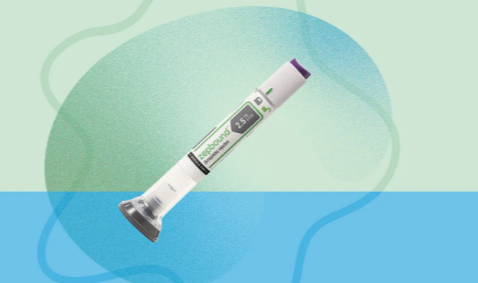
If you are exploring the cost of tirzepatide in 2026, it is important to understand that prices vary widely depending on factors such as insurance coverage, pharmacy choice, and dosage. On average, the out-of-pocket expense can range significantly, but knowing what influences these costs helps in making an informed decision.
Understanding the Cost Components of Tirzepatide
Tirzepatide is a prescription medication typically used under medical supervision, and its cost is influenced by several elements. These include the dosage strength, the quantity prescribed, and the pharmacy dispensing the medication. Brand-name pricing often exceeds generic alternatives when available, so confirming the specific formulation matters. Additionally, some manufacturers offer patient assistance programs which could impact the final cost.
Insurance and Tirzepatide Pricing
One critical factor to check before committing to tirzepatide is your insurance coverage. Different plans cover tirzepatide differently, and some might require prior authorization or provide partial coverage only. Understanding your copays, deductibles, and whether the medication falls under your plan’s formulary can significantly affect your out-of-pocket cost. It is advisable to contact your insurance provider directly to get the most accurate information about coverage and restrictions.
Pharmacy Choices and Discounts
Pharmacies may price tirzepatide differently based on their buying power and agreements with manufacturers. Comparing prices from local pharmacies, large chains, and online pharmacies is a practical step to identify the best option. Some third-party services also offer discount cards or coupons that can reduce the cost when insurance is not applicable. Being aware of these options can lead to meaningful savings.
Evaluating Dosage Needs and Prescription Quantity
The prescribed dosage and the duration for which tirzepatide is prescribed influence the total cost. Higher doses or longer prescription lengths typically increase the upfront expense but may offer cost efficiencies over time. Discussing with a healthcare provider about the minimal effective dose and prescription intervals can help balance clinical needs with financial considerations.
Practical Framework for Evaluating Tirzepatide Cost
To make a clear decision about tirzepatide expenses, consider the following evaluation framework:
1. Confirm your insurance coverage details including copays, deductibles, and formulary status for tirzepatide.
2. Obtain pricing quotes from multiple pharmacies and explore discount options.
3. Understand the prescribed dosage and treatment duration.
4. Investigate manufacturer assistance or patient support programs.
5. Assess your budget realistically and consider long-term affordability.
This checklist allows a practical approach to comparing options and avoiding unexpected costs.
For a comprehensive breakdown of current pricing, insurance tips, and patient resources related to tirzepatide, the FormBlends guide offers detailed insights that can support your decision-making process.
Frequently Asked Questions About Tirzepatide Cost
What is the typical monthly cost of tirzepatide without insurance?
The monthly cost can vary but often ranges from several hundred to over a thousand dollars depending on dosage and pharmacy.
Do insurance plans usually cover tirzepatide?
Coverage varies widely; some insurance plans include tirzepatide on their formulary while others may require prior authorization or exclude it.
Are there ways to reduce the cost of tirzepatide?
Yes, patient assistance programs, manufacturer discounts, and pharmacy price comparisons can help lower out-of-pocket expenses.
Final Note
This article is intended for informational purposes only and should not replace professional medical advice or consultation with a healthcare provider regarding medication choices or costs.
What to verify before acting
Before a reader relies on any comparison about tirzepatide cost guide, the safest move is to confirm the basics directly. Check when the page was last updated, whether the criteria are explained clearly, and whether the recommendation separates facts from marketing claims. It also helps to compare total cost, access requirements, support, refund language, and any limits that could change the real-world value of an option.
The goal is not to find a perfect answer from one article. The goal is to narrow the search to a short list, understand the tradeoffs, and know which questions to ask next. That approach is slower than clicking the first result, but it usually produces a better decision and reduces the chance of being pulled in by a page that ranks well without explaining enough.