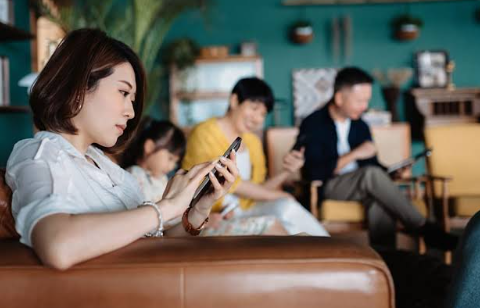
One phone can serve several people without ever being formally described as a shared device. A child borrows it for a video, a sibling uses the camera, a partner checks a route, or a parent signs into an email account for a few minutes. The arrangement feels casual until private notifications, saved passwords, payment cards, or browsing sessions begin appearing in front of someone who was never meant to see them. Entertainment accounts deserve the same privacy planning as shopping or banking. The safest routine is not built on hiding activity from family members. It is built on keeping personal accounts, adult services, and financial details from being exposed by ordinary device behavior.
A private tab does not make the account private
Opening a desi online casino in private browsing can reduce the local history saved by the browser, but it does not automatically log the account out, erase payment records, or hide messages sent by email and SMS. The website may still keep account activity, and the bank may still show transactions. If the phone is shared, the useful step is to close the session properly, remove saved credentials, and check notification previews before handing the device to someone else. Private mode is a browser feature, not a complete privacy system.
The distinction matters because people often expect private browsing to do more than it promises. It can keep visited pages out of the ordinary history list and remove some local session data after the window closes. It cannot make network traffic invisible to every service involved, and it cannot prevent another app from displaying a verification code or payment alert on the lock screen.
Saved passwords are convenient until the phone changes hands
Password managers and browser autofill can reduce the temptation to reuse weak passwords. On a personal device, that is usually helpful. On a phone that several people unlock, saved credentials need another layer of protection. Biometric confirmation or a device passcode should be required before filling a sensitive login. Browsers that display saved passwords without another check can expose far more than one entertainment account, especially when the same email address connects shopping, social, and financial services.
A separate browser profile can help when the device supports it. Some Android phones also offer guest modes or secondary user profiles that keep apps and data apart. Those features are more reliable than repeatedly clearing history after someone else has used the phone.
Notifications can reveal an account without opening it
A lock screen can show casino promotions, deposit confirmations, password-reset messages, and one-time codes before the phone is unlocked. That is enough to reveal private activity to anyone nearby. Sensitive previews can be hidden while still allowing a generic notification to appear. Promotional categories can usually be disabled entirely. Users should also review whether messages are mirrored to a smartwatch or tablet, because hiding them on the phone does little if the same preview appears on another shared screen.
Shared-device privacy checks worth doing once
- Turn off sensitive lock-screen previews for email, SMS, and payments.
- Require a device lock before saved passwords can be filled.
- Log out of adult entertainment accounts after use.
- Remove payment methods that do not need to stay saved.
- Use guest or separate user profiles when the phone supports them.
- Check connected watches or tablets for mirrored notifications.
Financial privacy also means keeping household money separate
An adult gambling account should never draw quietly from a card used for shared household expenses. Adults who use legal casino services should decide a fixed entertainment budget and keep rent, food, medicine, transportation, debt payments, school costs, and family money outside it. On a shared phone, one-tap payment features deserve extra caution because another person may accidentally open the service or because the account owner may lose track of which card is being used. Requiring authentication for every payment adds a useful pause.
Transaction records should also remain readable to the account owner. If a payment appears twice or stays pending, the first step is to check the bank and account history rather than making another attempt immediately. Privacy should never mean losing track of the money involved.
The safest shared phone is predictable after the session ends
Good privacy on a shared device comes from repeatable habits rather than constant cleanup. Close adult accounts, keep sensitive previews hidden, protect autofill with a device lock, and separate payment methods from shared household spending. When possible, use guest profiles for children or other family members who borrow the phone regularly. These steps are less dramatic than installing another privacy app, but they address the places where information usually leaks: the lock screen, saved sessions, autofill, and payment shortcuts. A phone can still be shared comfortably when everyone knows which parts of it remain personal.