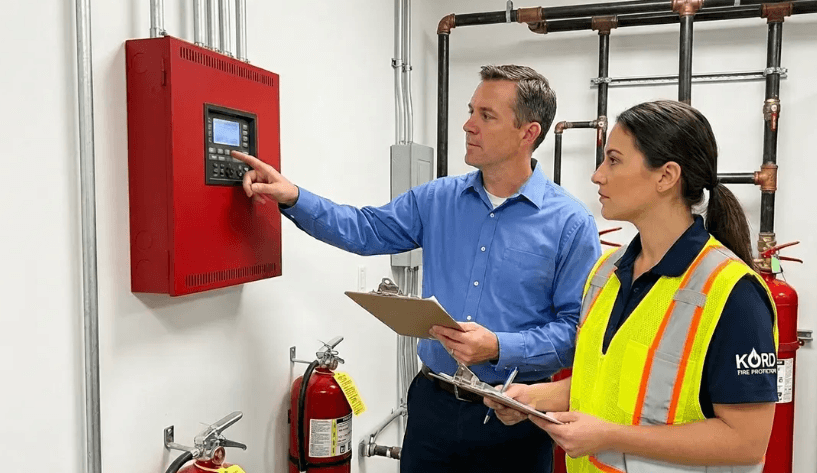
Patient care settings need steady oversight when safety systems require added attention. Fire watch provides monitoring without creating unnecessary disruption for staff, patients, or visitors. Trained personnel can observe risk areas while communicating concerns promptly. They support routines while operations continue. Clear coordination helps reduce confusion during busy operating periods. Consistent coordination strengthens site safety and supports uninterrupted operations through Utah fire watch services.
Maintaining Quiet Patient Areas
Quiet surroundings matter because sudden activity can increase stress. Monitoring should stay alert without unnecessary movement or interruptions. Personnel can remain near assigned areas during assigned hours. Communication stays brief. This approach supports staff routines during operating hours with minimal disturbance.
- Observe assigned zones without disturbing ongoing patient care routines.
- Keep communication brief when staff members need immediate updates.
- Check restricted areas regularly while maintaining orderly movement patterns.
- Report unusual conditions promptly through approved facility communication channels.
- Stay attentive during quieter periods when risks remain unnoticed.
Coordinating With Facility Staff
Coordination helps personnel understand changing departmental routines each shift. Staff can share access limits and schedules. They can identify areas needing attention. Assigned personnel can work closely with facility procedures, and Utah fire watch services can provide reliable oversight when additional support is needed. Clear communication prevents duplicated tasks. Responsibilities remain clear across changing shifts.
| Area | Practice | Purpose |
| Staff | Brief approved updates | Clear information |
| Restricted zones | Follow access instructions | Controlled access |
| Shift changes | Share observations | Maintains continuity |
| Escalation | Contact personnel | Reduces delays |
Protecting Essential Operational Routines
Facilities depend on predictable movement. Clear routes support coordination. Extra monitoring should fit these needs without interrupting established routines. Personnel can remain attentive near equipment areas. Restricted sections need observation. Their presence supports awareness while work continues.
Supporting Rapid Concern Reporting
Quick reporting lets responsible staff assess concerns early. Personnel should know who receives urgent information. Clear escalation paths reduce hesitation when staff requires immediate guidance. Simple reporting language helps staff understand events without unnecessary detail.
Early reporting can involve several practical actions:
- Identify unusual heat, smoke, odor, or equipment conditions promptly.
- Notify designated contacts using the facility communication procedure immediately.
- Describe the observed location clearly without adding uncertain details.
- Remain available for further instructions after reporting the concern.
- Document relevant observations after immediate communication is complete.
Maintaining Clear Shift Coverage
Reliable coverage depends on clear handoffs. Each shift should begin with current conditions. Pending concerns need review. Outgoing personnel can share observations before transferring responsibility to the incoming staff member. This process helps prevent oversight gaps. Coverage planning supports consistent routines during extended hours as needed.
Preserving Calm During Disruptions
Unexpected disruptions can affect staff focus, visitor movement, routine communication, and the timing of ordinary tasks during busy facility periods. Steady monitoring maintains order through clear contact when staff needs guidance or visitors require simple direction. Personnel should use calm communication with responsible staff while respecting established access rules, privacy needs, and assigned responsibilities throughout each assigned period during unexpected changes.
Strong oversight works best when it blends careful observation with respectful conduct. Clear assignments support oversight. Handoffs and prompt reporting can help facilities manage safety concerns without disturbing routines. Trained personnel should follow established procedures. They should respect patient privacy while coordinating with staff. Thoughtful planning helps facilities maintain operations while addressing changing safety needs. It helps manage fire risks.
See also: Advertise Your Business to Reach More Customers and Grow Faster
FAQs
What does fire watch provide inside a care facility?
It provides attentive oversight while facility routines continue safely.
Why should monitoring remain quiet around patient care areas?
Quiet monitoring reduces unnecessary disruption during ongoing care routines.
How can staff improve communication during safety concerns effectively?
Use clear contacts with brief updates. Follow defined escalation procedures consistently.