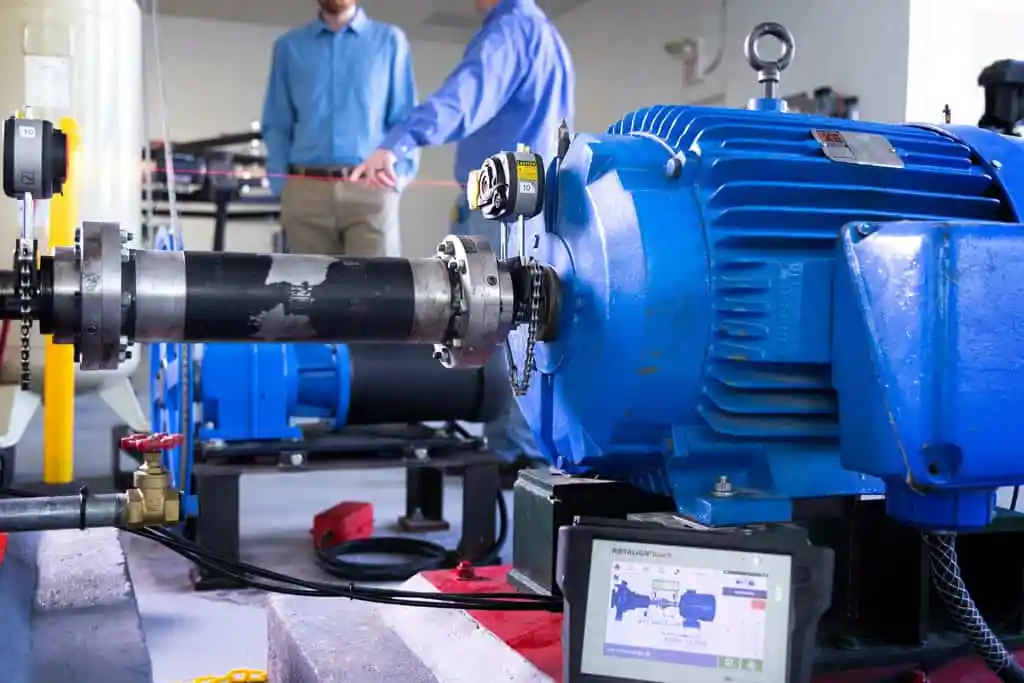
Bearings are very important in ensuring the smooth functioning of all rotating machinery. The best bearing can be worn out early if the machine is subjected to vibrations due to rotor imbalance. Dynamic balancing solves this problem since it rectifies the distribution of mass in the rotating part. This will minimize stress on the entire system. This process can only be done effectively by an experienced technician.
Reduces Excessive Vibration
Uneven rotating elements cause vibration that adds unwanted strain to bearings. Each time a revolution is made, there are uneven loads being exerted on the bearing system, thus causing fatigue and increasing the probability of surface wear. The more vibration occurs, the lesser will be the effectiveness of lubrication due to the uneven load distribution of the rolling elements.
Balancing ensures that the weights of rotating elements are distributed evenly. After fixing the imbalance, there will be a reduction in vibration that allows the bearing to function within a stable environment. The limited vibration decreases stress while ensuring smooth shaft rotation, thus improving the service life of the bearing.
See also: I Tested 5 Speech-Practice Apps for Late Talkers and Here Is What Actually Helped
Prevents Uneven Load Distribution
Bearings are designed to withstand loads under certain operating conditions. The imbalance of the rotor leads to continuous changes in the forces applied, and consequently results in high pressures in localized regions rather than even distribution of the force. This stress in localized areas results in accelerated wear, formation of surface flaws, and eventually leads to bearing failures.
Active balancing is required to make sure that loads are distributed evenly when the machinery is operating. Uniform distribution of loads enables the rolling elements to distribute stresses properly, thus avoiding localized damage. Uniform load distribution will also help reduce heat generated due to friction, and thus ensure that the lubricating film of the bearing is maintained.
Identifies Premature Failure Before Serious Damage
The ability to recognize early warning signs enables the maintenance team to fix any emerging problems at an early stage before serious damage takes place. Higher vibrations, noises, increased temperatures, or irregular operation of machinery can serve as indications of the problem of imbalance stressing the bearing elements. The analysis of vibrations, along with proper inspections, can help identify such problems.
Organizations that invest in dynamic balancing solutions as part of preventive maintenance can identify imbalance-related problems before bearings experience irreversible damage. Early intervention reduces unexpected downtime, lowers replacement expenses, and protects connected equipment from secondary failures that may develop when excessive vibration remains unresolved.
Improves Lubrication Performance
Proper lubrication requires stable operating conditions. High levels of vibration can interfere with the formation of lubricant layers, leading to the increased frequency of direct contact between metal surfaces. Higher friction increases temperature levels, accelerates the process of lubricant decomposition, and promotes the movement of contaminants around the bearing system. In the long run, all these conditions contribute to decreasing the bearing service life.
Dynamic adjustment performed by professionals leads to more uniform rotation, which provides for even distribution of lubricant between the rotating parts. Stable operation contributes to maintaining the protective film of oil or grease necessary to ensure low levels of wear while working continuously. Moreover, lower temperature levels also help preserve the lubricant integrity and prevent its oxidation.
Supports Overall Equipment Reliability
The performance of bearings affects the reliability of the whole rotating system. If bearings are subjected to extreme pressures, other parts of the machinery like shafts, couplings, seals, and drives will be under extreme pressure too. This creates a chain reaction of wear leading to inefficiency and higher maintenance requirements.
Dynamic balancing is very important for the smooth functioning of all components of the rotating assembly. This results in reduced vibrations that prevent stress buildup on the connected parts. This ensures proper alignment without adding mechanical fatigue. It also helps to improve the efficiency of energy consumption as the machinery will consume less power to resist vibrations.
The advantages of professional active balancing can be felt for a long time because the effects of vibration reduction are not the only benefits of the procedure. With the help of reducing the impact of uneven load distribution, improving the lubrication system’s performance, and early detection of emerging issues, the procedure allows increasing the bearing’s life span. Incorporating dynamic adjustment into a proactive maintenance strategy helps reduce operating costs, improve productivity, and ensure rotating machinery performs consistently throughout its intended service life.